Sewer Lateral Installation in Denver, CO
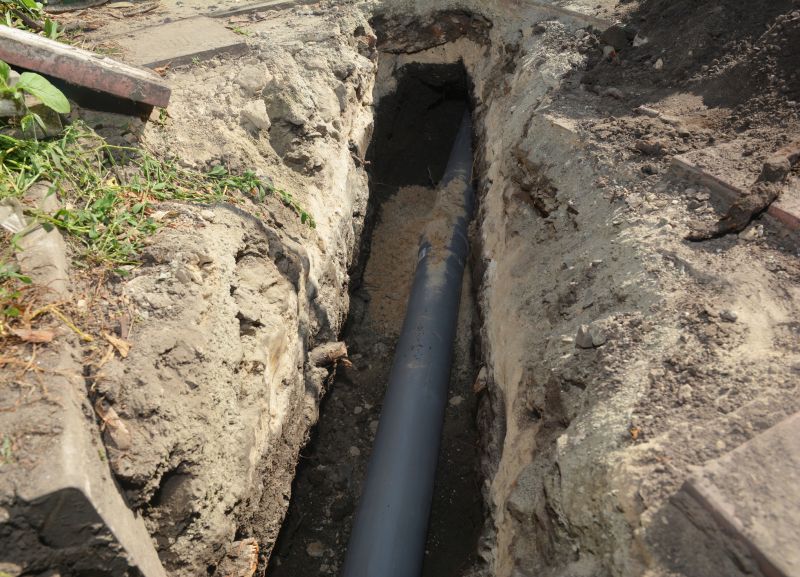
Sewer lateral installation involves connecting a property's plumbing system to the main sewer line, typically running from the building's foundation to the street or alley. This service is essential during new construction, property renovations, or if existing lateral lines are damaged or deteriorating. Projects can include installing entirely new sewer laterals, replacing aging or broken pipes, or extending existing lines to accommodate property expansions. Homeowners considering this service should understand the location of their main sewer connection, the condition of current pipes, and any permits or regulations that may apply in Denver and surrounding areas.
Before requesting sewer lateral installation, property owners often want to know about the scope of work involved, potential excavation requirements, and how the new line will integrate with existing plumbing. It's also common to inquire about the materials used for the pipes and the expected durability of the installation. Clarifying these details helps ensure the project aligns with the property's needs and local code requirements, providing a clear understanding of what the process entails and what to expect during installation.
Many property owners in Denver, CO look into Sewer Lateral Installation for repairs, replacements, upgrades, and appearance-related improvements.
Understanding Sewer Laterals
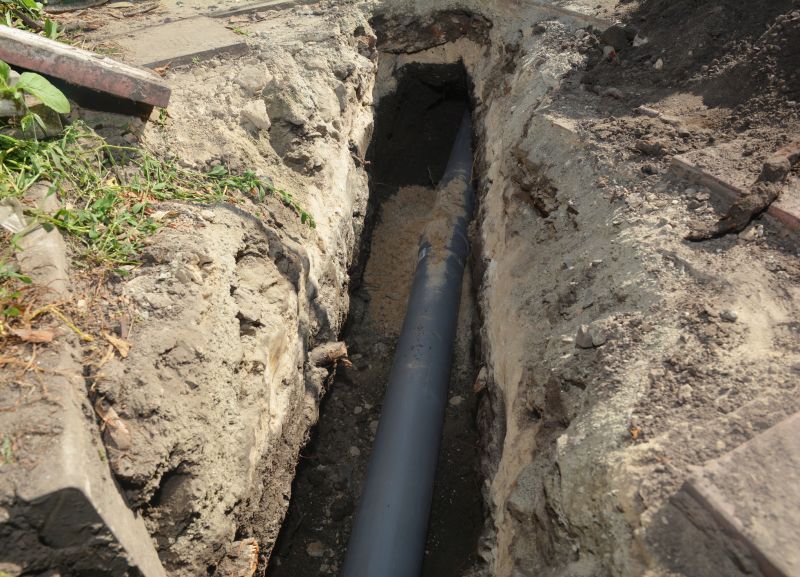
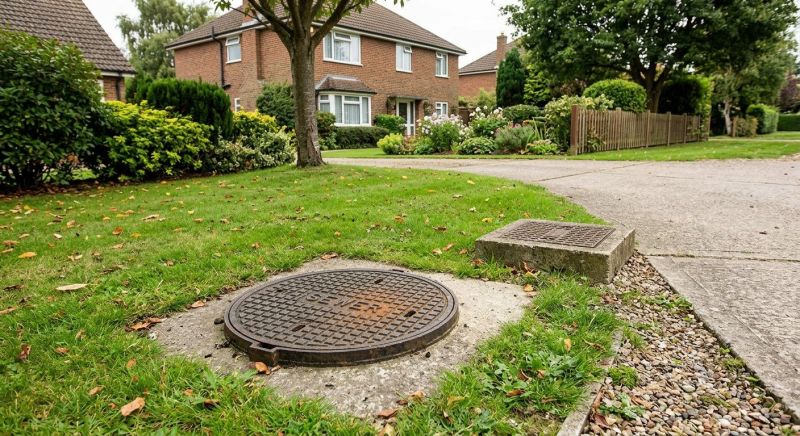
Sewer laterals connect your property’s plumbing system to the main sewer line underground.
Installation And Replacement Options
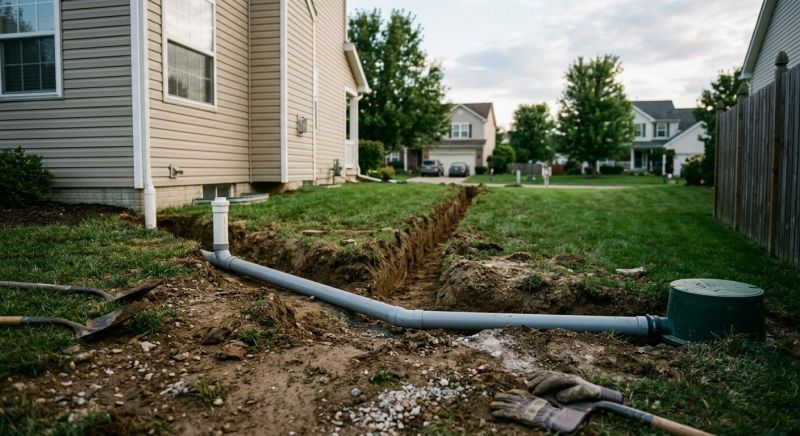
Proper installation ensures reliable drainage and can prevent costly backups or damage.
Signs You Need Service
Slow drains, frequent backups, or foul odors may indicate issues with your sewer lateral that require attention.
Sewer Lateral Installation in Denver, CO

Sewer lateral installation involves connecting a property's plumbing system to the main sewer line, typically running from the building's foundation to the street or alley. This service is essential during new construction, property renovations, or if existing lateral lines are damaged or deteriorating. Projects can include installing entirely new sewer laterals, replacing aging or broken pipes, or extending existing lines to accommodate property expansions. Homeowners considering this service should understand the location of their main sewer connection, the condition of current pipes, and any permits or regulations that may apply in Denver and surrounding areas.
Before requesting sewer lateral installation, property owners often want to know about the scope of work involved, potential excavation requirements, and how the new line will integrate with existing plumbing. It's also common to inquire about the materials used for the pipes and the expected durability of the installation. Clarifying these details helps ensure the project aligns with the property's needs and local code requirements, providing a clear understanding of what the process entails and what to expect during installation.
Many property owners in Denver, CO look into Sewer Lateral Installation for repairs, replacements, upgrades, and appearance-related improvements.
Common Sewer Lateral Installation Jobs
Sewer Lateral Installation - installation of new sewer lines connecting the property to the main sewer system.
Sewer Lateral Replacement - replacing aging or damaged sewer lines to prevent backups and leaks.
Sewer Lateral Repair - fixing cracks, collapses, or blockages in existing sewer lines for proper flow.
Sewer Line Re-routing - adjusting the sewer line path to accommodate property renovations or landscape changes.
Septic to Sewer Conversion - transitioning from septic systems to municipal sewer connections for improved waste management.
Underground Sewer Line Installation - burying new sewer lines below ground to ensure reliable service and compliance.
Sewer Lateral Installation Questions
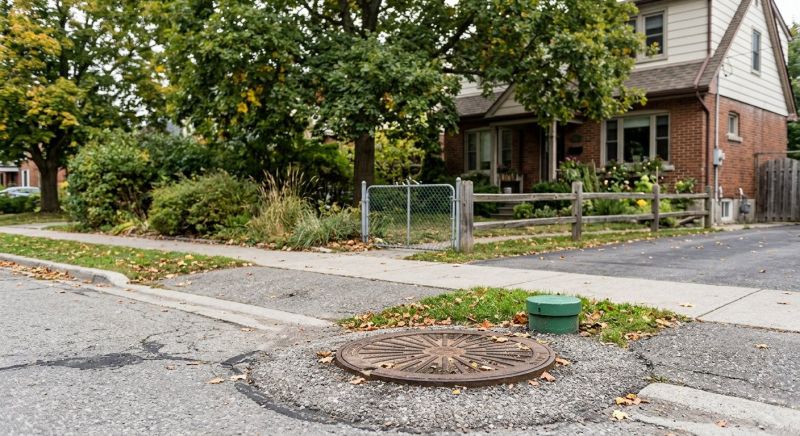
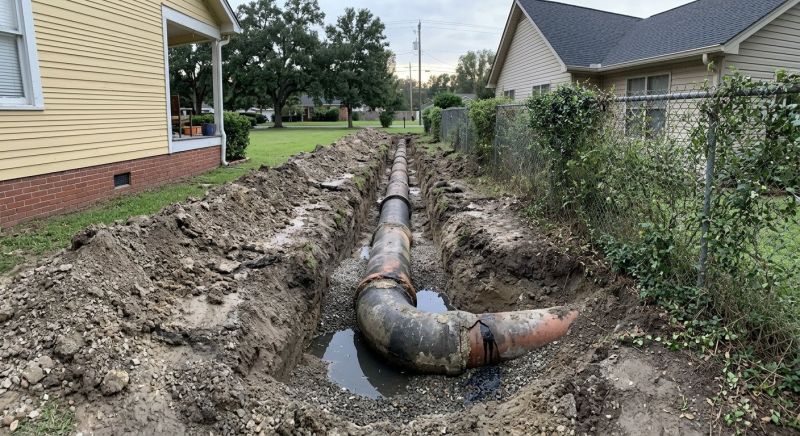
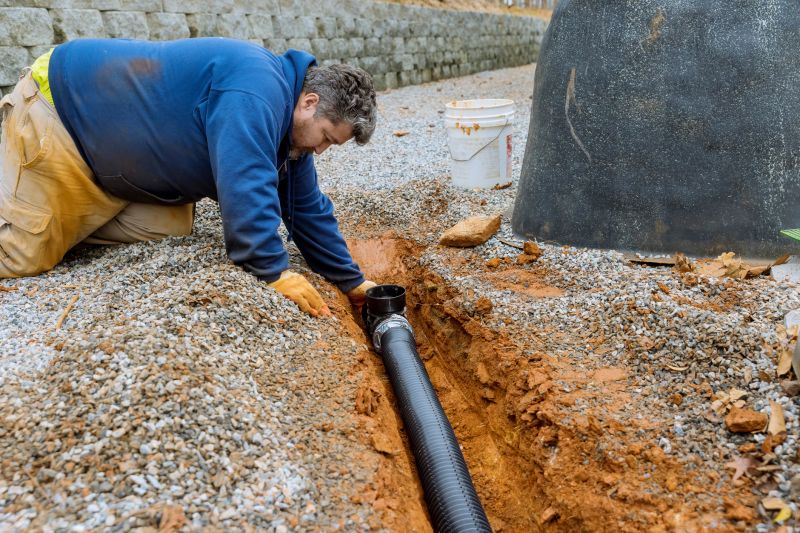
What is sewer lateral installation? It involves installing or replacing the pipe that connects a property’s plumbing system to the main sewer line.
When is sewer lateral installation needed? It is typically required during new construction, property renovations, or if existing pipes are damaged or blocked.
What types of pipes are used for installation? Common options include PVC, ABS, or cast iron, chosen based on durability and local building codes.
How can property owners prepare for installation? Clearing access points and informing the contractor of any existing issues can help ensure a smooth process.
Request Sewer Lateral Installation in Denver, CO
Use the quote form on this page to share the basics of your project and request more information for the type of work you need.