Drain Field Installation in Denver, CO
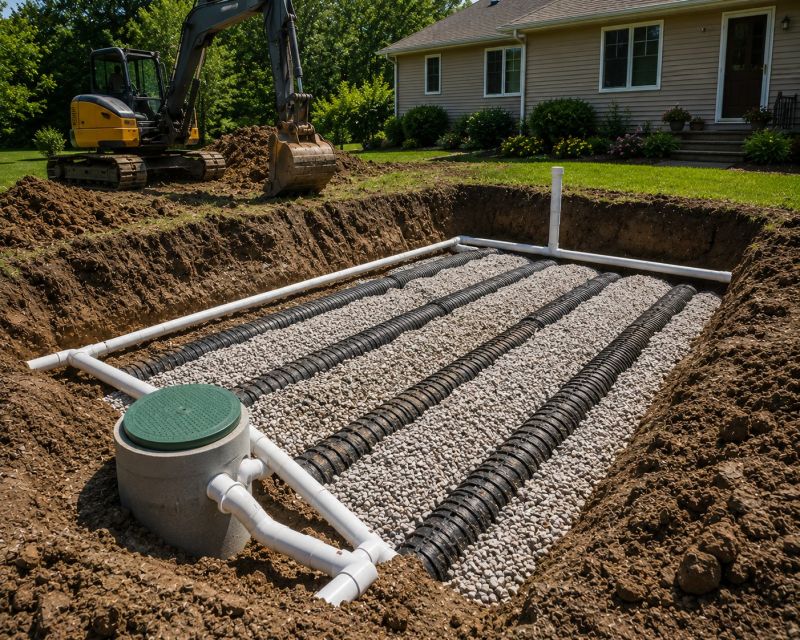
Drain field installation services involve setting up the underground system that disperses wastewater from a septic tank into the surrounding soil. This process is essential for homes that rely on septic systems, ensuring proper treatment and absorption of sewage. Projects typically include designing, excavating, and installing drain fields tailored to the property’s size, soil conditions, and local regulations. Homeowners considering this service should understand the importance of proper site assessment, the need for suitable soil permeability, and the potential impact of property features on system placement.
Before requesting drain field installation, property owners often want to know about site suitability, including soil type and drainage capacity. They may also inquire about the size and layout of the drain field needed for their household's wastewater volume. Understanding local codes and regulations, as well as the importance of proper system design and installation, helps ensure the system functions reliably and complies with standards. Contacting professionals for an evaluation can provide clarity on the best approach for each specific property.
Many property owners in Denver, CO look into Drain Field Installation for repairs, replacements, upgrades, and appearance-related improvements.
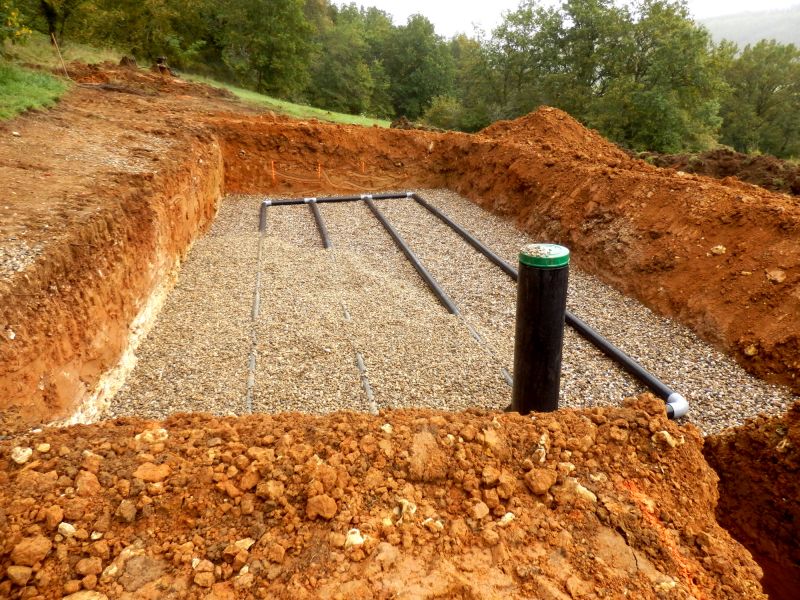
Drain Field Design And Planning
Proper design ensures effective wastewater distribution and long-term system performance.
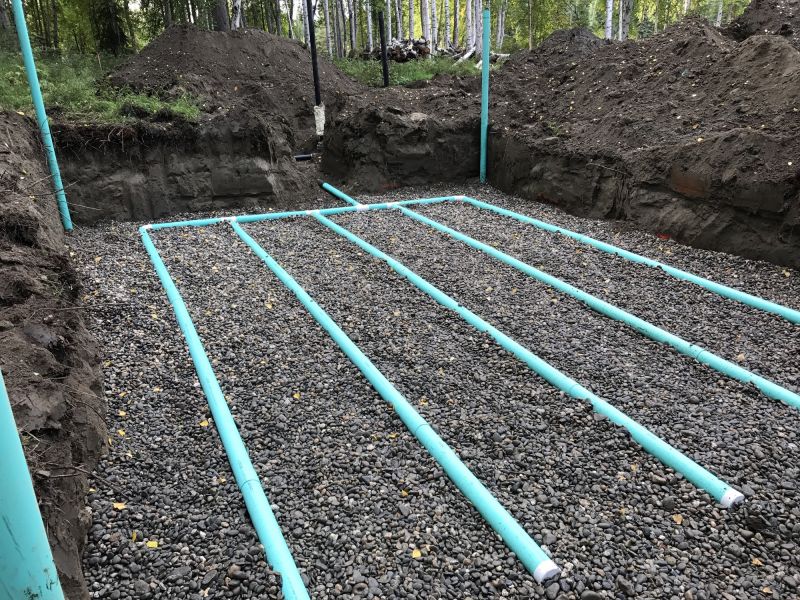
Drain Field Installation Process
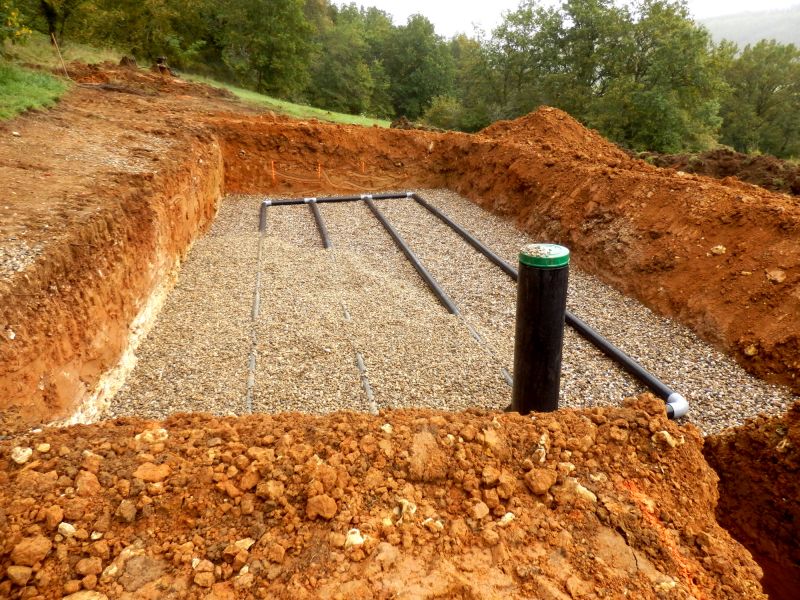
Installation involves careful site assessment, trenching, and soil preparation to ensure durability.
Maintenance And Troubleshooting
Regular inspection helps identify issues early and maintain optimal function of the drain field system in denver, co.
Drain Field Installation in Denver, CO

Drain field installation services involve setting up the underground system that disperses wastewater from a septic tank into the surrounding soil. This process is essential for homes that rely on septic systems, ensuring proper treatment and absorption of sewage. Projects typically include designing, excavating, and installing drain fields tailored to the property’s size, soil conditions, and local regulations. Homeowners considering this service should understand the importance of proper site assessment, the need for suitable soil permeability, and the potential impact of property features on system placement.
Before requesting drain field installation, property owners often want to know about site suitability, including soil type and drainage capacity. They may also inquire about the size and layout of the drain field needed for their household's wastewater volume. Understanding local codes and regulations, as well as the importance of proper system design and installation, helps ensure the system functions reliably and complies with standards. Contacting professionals for an evaluation can provide clarity on the best approach for each specific property.
Many property owners in Denver, CO look into Drain Field Installation for repairs, replacements, upgrades, and appearance-related improvements.
Common Drain Field Installation Jobs
Drain Field Installation - Proper installation ensures effective wastewater treatment and prevents system failures.
Septic Drain Fields - Designed to safely disperse effluent from septic systems into the soil.
Leach Field Setup - Involves arranging gravel and piping to promote proper drainage.
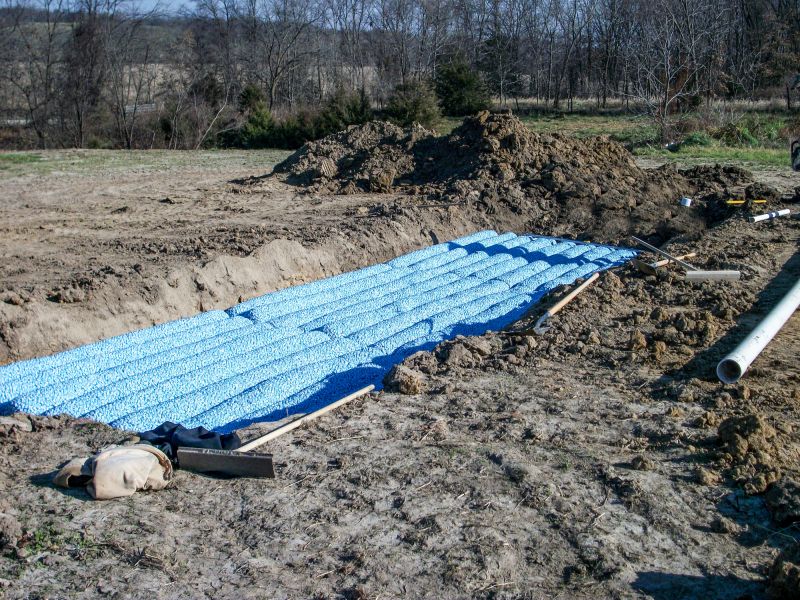
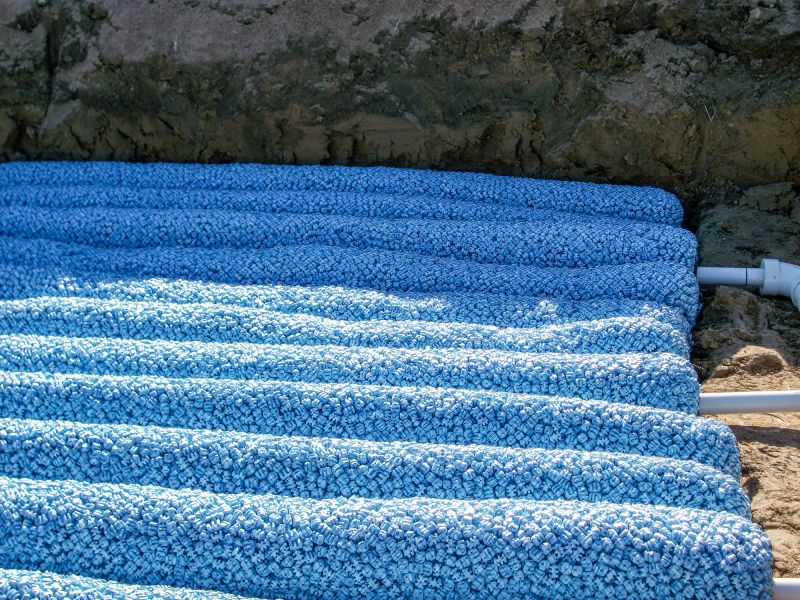
Alternative Drain Field Options - Includes mound systems or aerobic treatment units for challenging sites.
Drain Field Replacement - Replacing aging or failing drain fields to restore system function.
Site Evaluation and Design - Assessing property conditions to plan an efficient and compliant drain field.
Drain Field Installation Questions
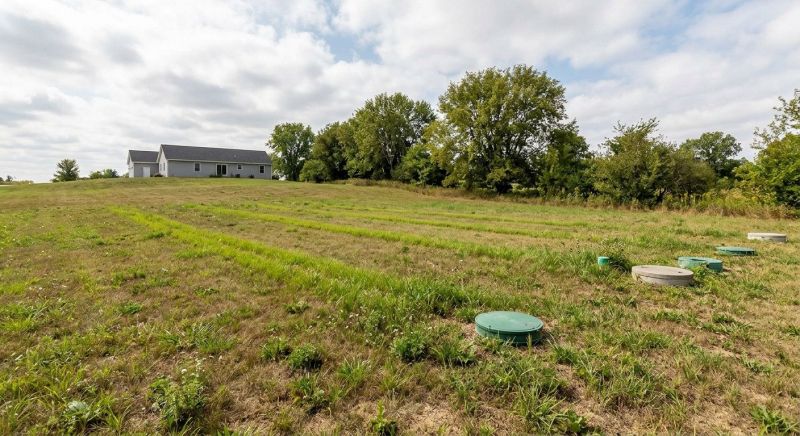
What is a drain field? A drain field is an underground system that filters and disperses wastewater from a septic tank into the soil, preventing backups and odors.
When is installation needed? Installation is typically required when a property’s existing drain field fails or a new septic system is being installed for a property without one.
What types of drain fields are available? Common types include conventional gravel and pipe systems, as well as alternative options like mound systems, depending on soil conditions.
How does soil suitability affect installation? Soil type and absorption capacity are important factors that influence the design and placement of a drain field system.
Request Drain Field Installation in Denver, CO
Use the quote form on this page to share the basics of your project and request more information for the type of work you need.