Septic System Replacement in Denver, CO
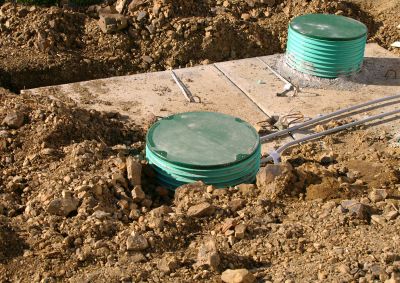
Septic system replacement services involve removing an existing septic system and installing a new one to ensure proper waste management for residential properties. This process is typically requested when a septic system has reached the end of its lifespan, is failing to function correctly, or has been damaged due to age, soil issues, or improper maintenance. Projects can range from replacing small residential systems to larger setups for properties with higher wastewater needs. Homeowners usually want to understand the scope of work involved, the factors that influence replacement costs, and how the new system will meet their household’s needs while complying with local regulations.
Before requesting septic system replacement, property owners should consider the current condition of their existing system, including signs of failure such as backups, odors, or standing water. It’s also helpful to understand the site’s soil conditions, property size, and any local permitting requirements that may apply. Knowing these details can assist in planning for a replacement that provides reliable, long-term waste management and minimizes disruption to daily life. Contacting a professional for an assessment can help determine the best approach for each specific property.
Many property owners in Denver, CO look into Septic System Replacement for repairs, replacements, upgrades, and appearance-related improvements.
Septic System Replacement Options
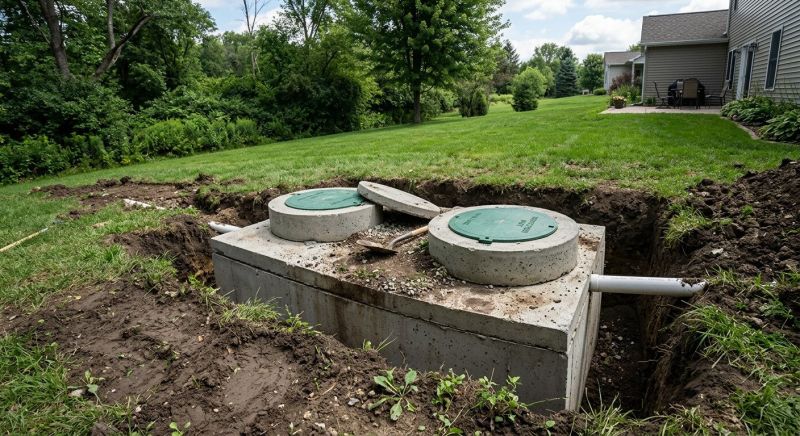
Choosing the right septic system replacement ensures reliable waste management for your property.
Signs You Need A New Septic System
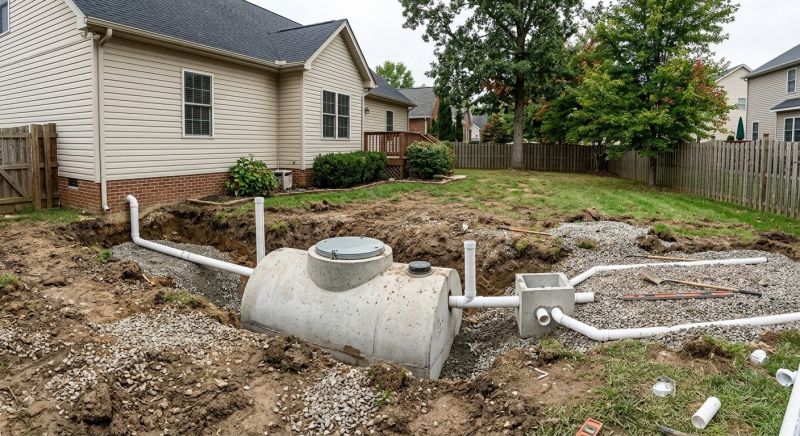
Frequent backups, foul odors, or pooling wastewater may indicate the need for system replacement.
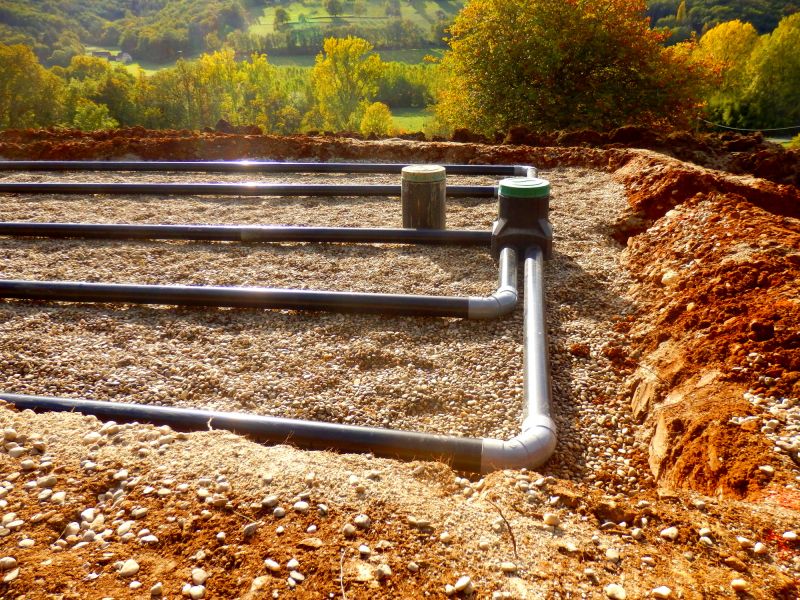
Benefits Of Upgrading Your Septic System
A modern septic system can improve efficiency and reduce the risk of costly repairs in denver area homes.
Septic System Replacement in Denver, CO

Septic system replacement services involve removing an existing septic system and installing a new one to ensure proper waste management for residential properties. This process is typically requested when a septic system has reached the end of its lifespan, is failing to function correctly, or has been damaged due to age, soil issues, or improper maintenance. Projects can range from replacing small residential systems to larger setups for properties with higher wastewater needs. Homeowners usually want to understand the scope of work involved, the factors that influence replacement costs, and how the new system will meet their household’s needs while complying with local regulations.
Before requesting septic system replacement, property owners should consider the current condition of their existing system, including signs of failure such as backups, odors, or standing water. It’s also helpful to understand the site’s soil conditions, property size, and any local permitting requirements that may apply. Knowing these details can assist in planning for a replacement that provides reliable, long-term waste management and minimizes disruption to daily life. Contacting a professional for an assessment can help determine the best approach for each specific property.
Many property owners in Denver, CO look into Septic System Replacement for repairs, replacements, upgrades, and appearance-related improvements.
Common Septic System Replacement Jobs
Septic System Replacement - involves removing outdated or failing septic tanks and installing new systems to ensure proper waste management.
Septic Tank Upgrades - replaces aging tanks with modern, durable models that meet current standards.
Leach Field Replacement - involves removing and installing new drain fields to improve wastewater dispersal.
Complete System Overhaul - replaces entire septic systems for properties experiencing frequent backups or system failures.
Pump Chamber Replacement - upgrades or replaces pump chambers to enhance system efficiency and reliability.
Septic System Renovation - updates existing systems to meet current code requirements and improve performance.
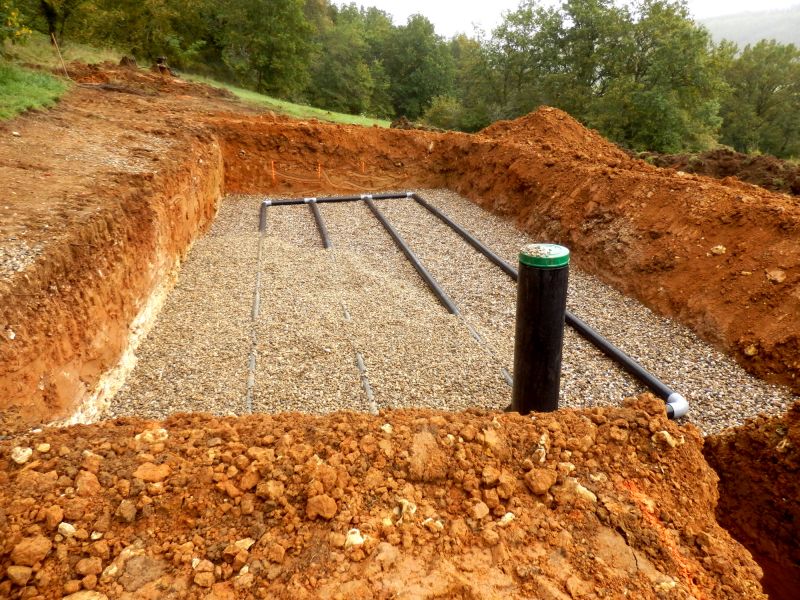
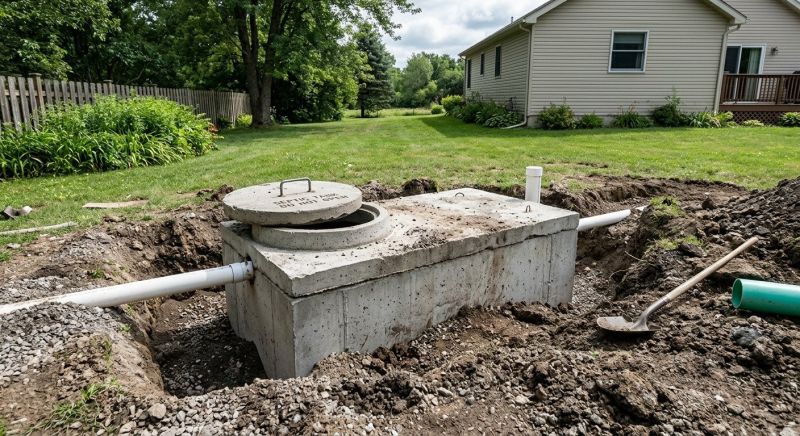
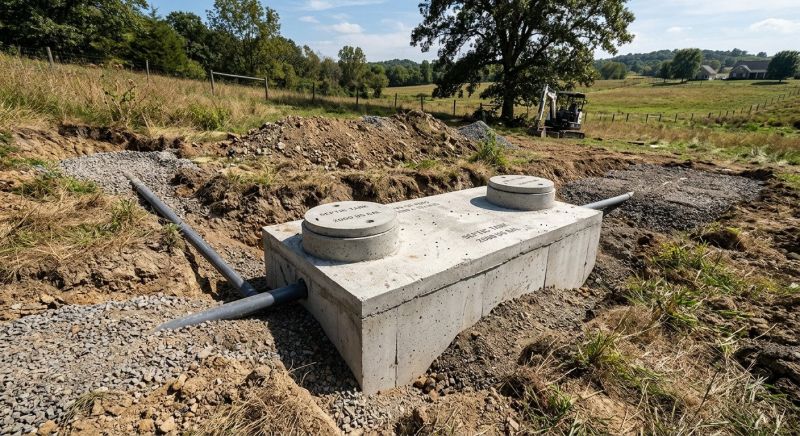
Septic System Replacement Questions
What signs indicate a septic system needs replacement? Common signs include persistent odors, slow drains, sewage backups, or standing water near the drain field.
How long does a septic system replacement typically take? The process generally involves planning and installation, which can vary but often takes a few days to complete.
What factors influence the choice of a new septic system? Factors include property size, soil conditions, usage needs, and local regulations.
Is a septic system replacement disruptive to property landscaping? Some disturbance to landscaping may occur during installation, but efforts are made to minimize impact and restore the area afterward.
Request Septic System Replacement in Denver, CO
Use the quote form on this page to share the basics of your project and request more information for the type of work you need.